Metal Fiber Felt for Automotive Glass
Specification
 Click directly to send a message via WhatsApp
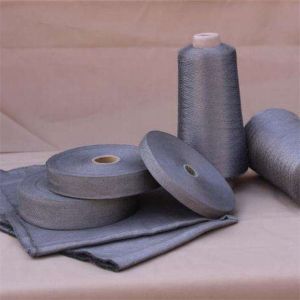
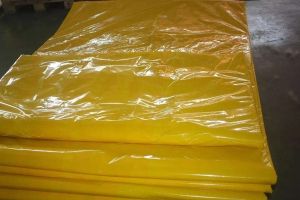
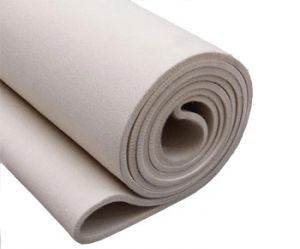
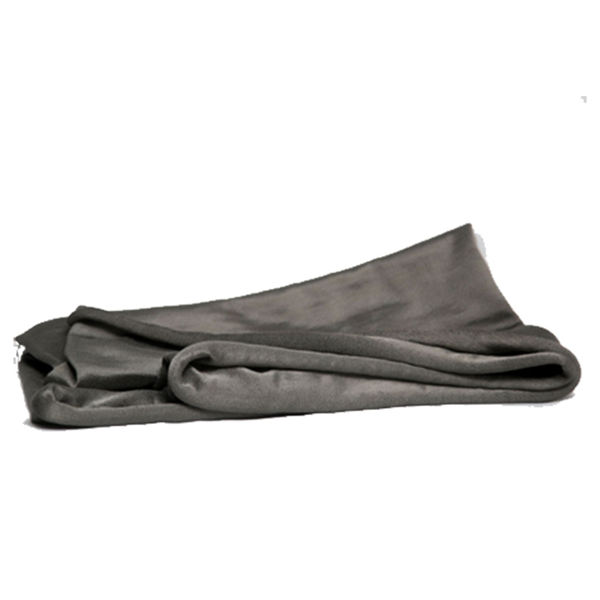
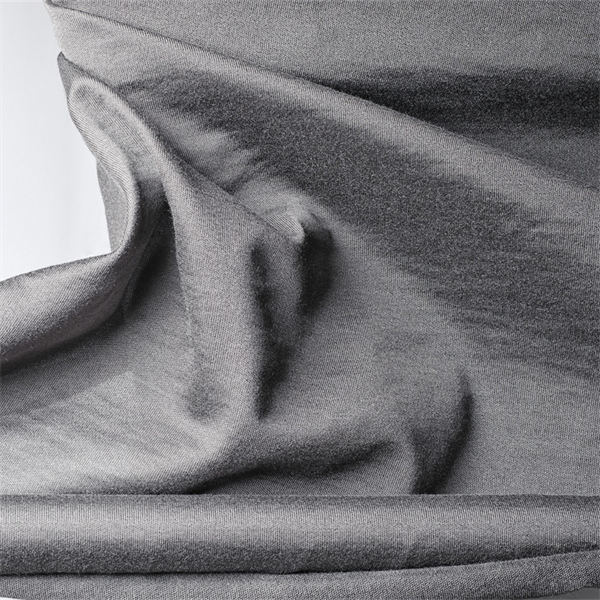
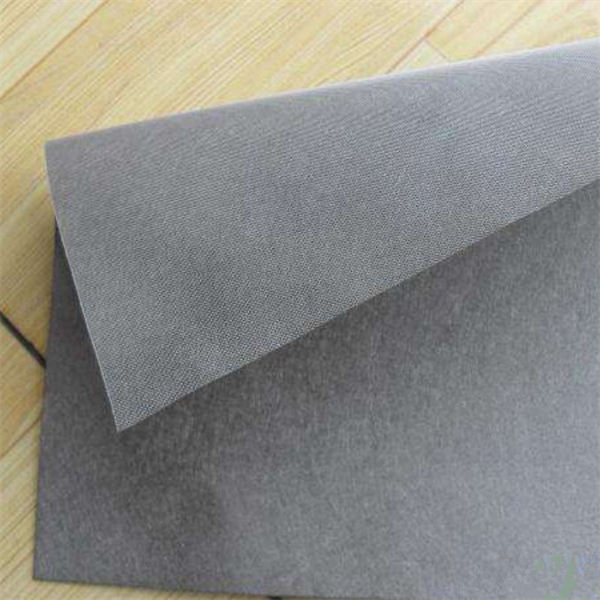
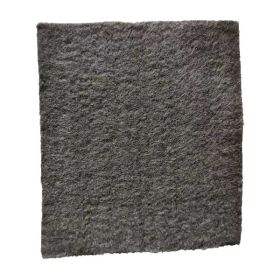
As a critical supporting material in the automotive glass production industry, Metal Fiber Felt for Automotive Glass plays a vital role in ensuring the optical quality, structural stability and production efficiency of automotive glass. Tailored to the harsh working conditions of automotive glass production—including high temperature, high pressure, repeated friction and strict scratch-proof requirements—our metal fiber felt integrates excellent performance, standardized specifications and targeted applications. It is widely used in the production of automotive windshields, side windows, sunroofs and rear windshields, winning recognition from global mainstream automotive glass manufacturers such as Fuyao, Asahi Glass and Saint-Gobain. This article comprehensively introduces the core features, regular specifications, key applications and product advantages of Metal Fiber Felt for Automotive Glass, integrating all core keywords to help overseas customers quickly grasp product value and make rational purchasing decisions.
1. Core Features of Metal Fiber Felt for Automotive Glass
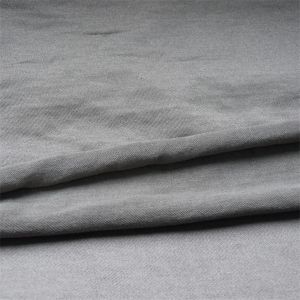
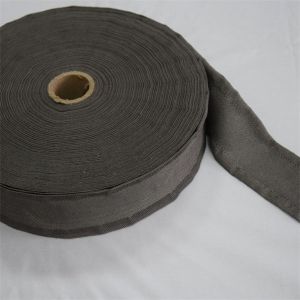
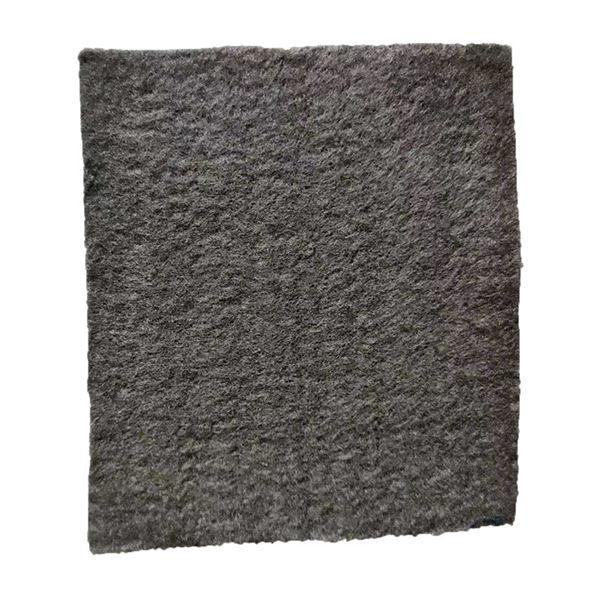
Our Metal Fiber Felt for Automotive Glass is specially developed for the entire production process of automotive glass, combining the advantages of high-quality metal fibers and professional needling/sintering technology. Its core features perfectly match the strict requirements of automotive glass production:
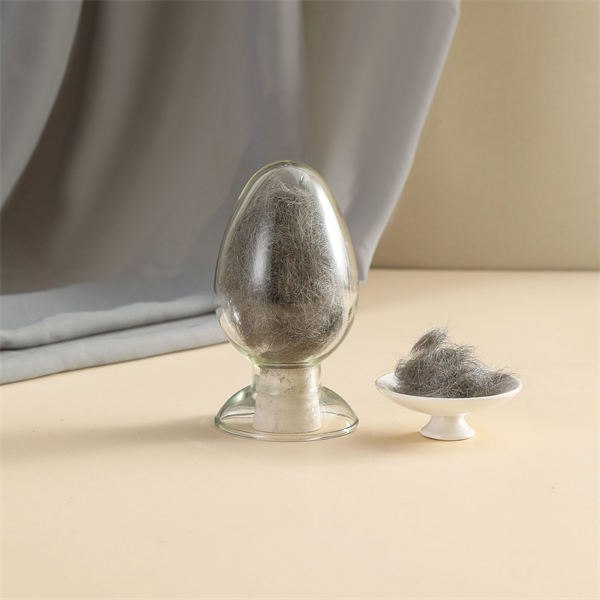
• Excellent High-Temperature Resistance: Made of high-quality 316L stainless steel, 310S stainless steel and FeCrAl fibers, it has outstanding high-temperature resistance to adapt to different high-temperature links of automotive glass production. 316L stainless steel fiber felt can withstand long-term use at ≤650℃, suitable for annealing and conveying links; 310S stainless steel fiber felt can reach ≤800℃, and FeCrAl fiber felt can withstand 900-1100℃, which is ideal for high-temperature heating and tempering links. It can stably operate in high-temperature environments without embrittlement, deformation or fiber shedding, ensuring continuous and stable production.
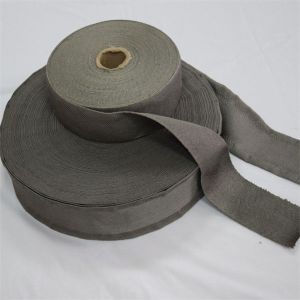
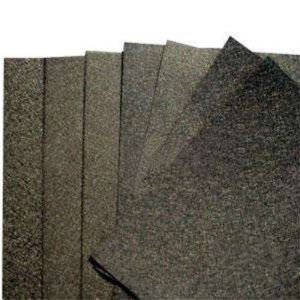
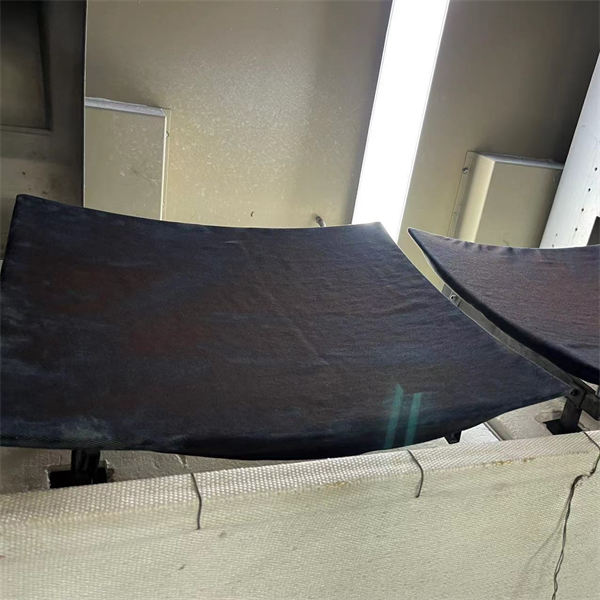
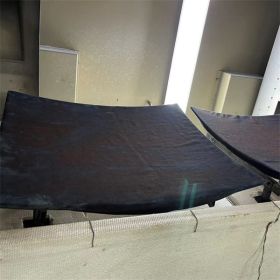
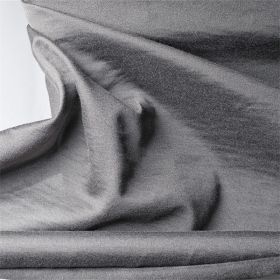
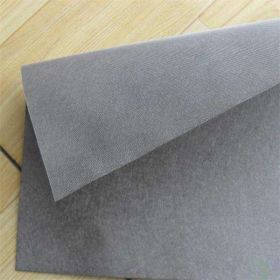
• Soft Contact & Scratch-Proof Performance: Adopting advanced needling process, the surface of the metal fiber felt is delicate, smooth and free of burrs, with excellent softness and flexibility. It forms a soft buffer layer between the high-temperature glass blank and production equipment (rollers, molds), avoiding direct contact between hard metal surfaces and fragile glass, thus effectively preventing scratches, indentations and edge chipping of automotive glass. This feature is particularly critical in the bending and forming links of automotive windshields, ensuring the highest optical quality of finished glass.
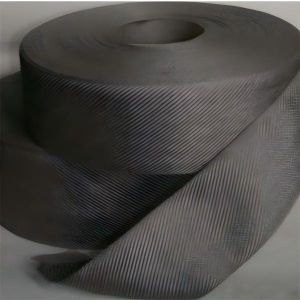
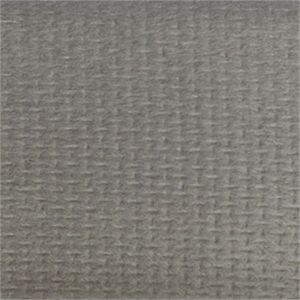
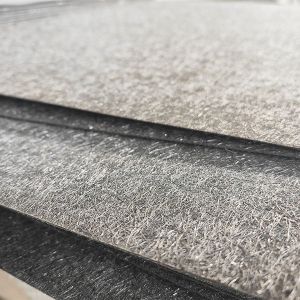
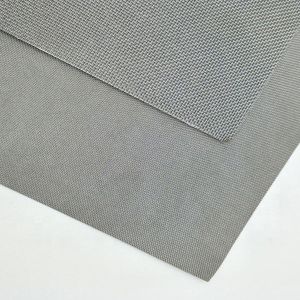
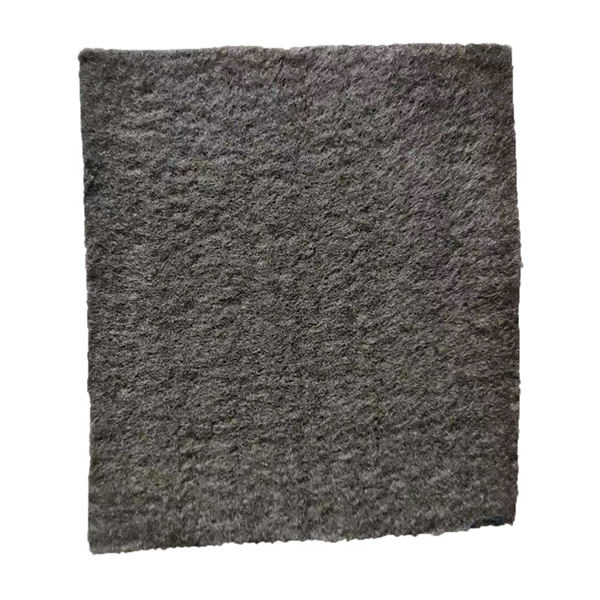
• High Strength & Pressure Resistance: The metal fibers are tightly entangled through the needling process (or fused into a whole through sintering), forming a stable three-dimensional network structure[3][6]. It has high tensile strength, wear resistance and pressure resistance, and can withstand the high pressure impact during automotive glass bending and forming without deformation or damage. It also has excellent wear resistance, which can adapt to the continuous friction during glass conveying, reducing the frequency of product replacement and saving production costs.
• Corrosion Resistance & Non-Pollution: The selected 316L/310S stainless steel and FeCrAl fibers have excellent corrosion resistance, which can resist the erosion of weak acids, alkalis and industrial fumes in the automotive glass production environment. The product is non-toxic, harmless and pollution-free, will not shed fibers or produce impurities, and can ensure the purity and transparency of automotive glass, meeting the strict quality standards of the automotive industry.
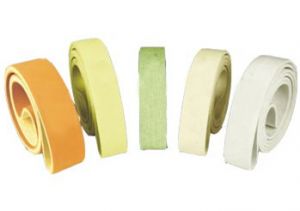
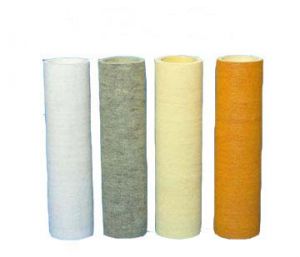
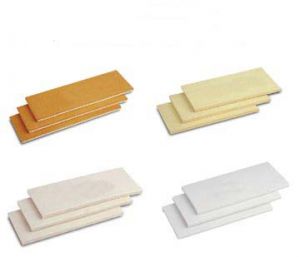
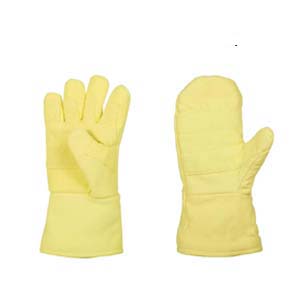
• Customizable Versatility: We can customize the thickness, density, size, shape and material of the metal fiber felt according to the specific needs of customers' automotive glass production lines and equipment specifications. It can be processed into roller covers, protective pads, mold wraps and other finished products, perfectly adapting to the heating, bending, tempering, annealing and conveying links of different automotive glass production lines.
• Good Thermal Conductivity & Thermal Insulation: It has uniform thermal conductivity, which can help the high-temperature glass blank cool slowly during the annealing process, reduce thermal stress and avoid glass cracking. At the same time, it has a certain thermal insulation effect, which can isolate the high temperature of the equipment from eroding the surrounding components, protecting the production equipment and extending its service life.
2. Regular Specifications and Parameters
We adopt standardized production processes and strict quality control to ensure the consistency and stability of product specifications. The following are the regular specifications and parameters of Metal Fiber Felt for Automotive Glass, which can be fully customized according to customer actual production needs and equipment size:
|
Material |
Temperature Resistance |
Thickness |
Density |
Fiber Diameter |
Regular Width |
Process |
Application Link |
|
316L Stainless Steel |
≤650℃ |
3-8mm |
0.3-0.6g/cm³ |
20-50μm |
1000-1200mm |
Needled |
Annealing, Conveying |
|
310S Stainless Steel |
≤800℃ |
5-12mm |
0.4-0.6g/cm³ |
20-50μm |
1000-1200mm |
Needled/Sintered |
Heating, Tempering |
|
FeCrAl (0Cr21Al6/0Cr25Al5) |
900-1100℃ |
5-12mm |
0.5-0.7g/cm³ |
20-50μm |
1000-1200mm |
Needled/Sintered |
High-Temperature Bending, Tempering |
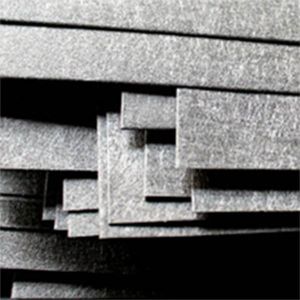
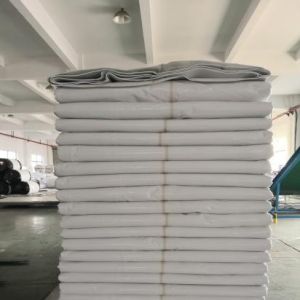
Note: The above are regular specifications. We can adjust parameters such as thickness (3-15mm), width (up to 2000mm), density (0.3-0.8g/cm³) and fiber diameter (15-50μm) according to your specific production line and equipment requirements. The product can be supplied in rolls (5-10 meters/roll) or cut into sheets, and can also be customized into roller covers of different diameters to perfectly fit the conveying rollers of automotive glass production lines.
3. Key Applications in Automotive Glass Production
Our Metal Fiber Felt for Automotive Glass is specially designed for the entire production process of automotive glass, covering heating, bending, tempering, annealing and conveying core links, providing targeted protection and support for each link:
3.1 Heating Zone Application
In the automotive glass heating zone, FeCrAl and 310S stainless steel fiber felt are mainly used for roller body wrapping and furnace inner wall protection. It can withstand high temperatures up to 1100℃, isolate the high temperature of the heating furnace from eroding the roller body, ensure uniform temperature conduction of the roller body, and avoid local overheating or uneven heating of the glass blank, which may lead to glass deformation or cracking. The soft texture of the fiber felt also prevents scratches on the glass surface during the heating and conveying process.
3.2 Bending & Forming Zone Application
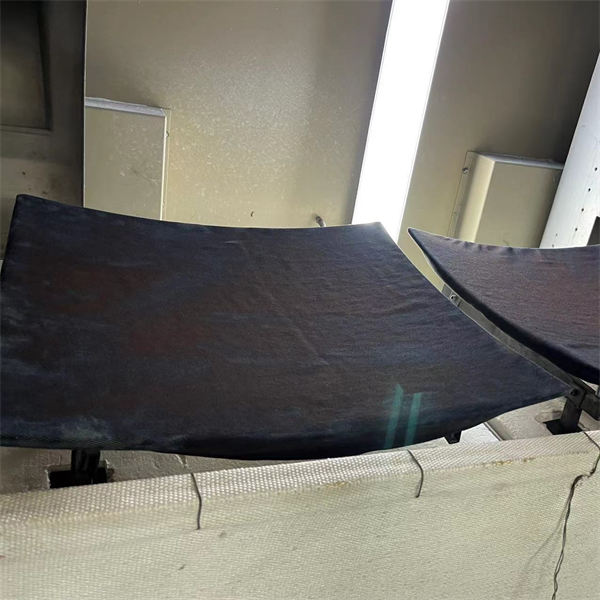
The bending and forming link is the core link of automotive glass production, and the requirement for scratch prevention is extremely strict[4]. Our needled metal fiber felt is used for mold wrapping and roller covering, which is soft and conformable, and can closely fit the curved surface of the mold and roller. It forms a soft buffer layer between the glass blank and the mold, avoiding direct contact between the hard mold surface and the high-temperature glass, thus effectively preventing scratches, indentations and edge chipping, ensuring the forming precision and surface quality of curved automotive glass (windshield, side window).
3.3 Tempering Zone Application
In the automotive glass tempering zone, high-temperature resistant FeCrAl and 310S stainless steel fiber felt are used for roller covering and protective pads. It can withstand the high temperature of 800-1100℃ during tempering, resist the impact of high-temperature glass and the friction of the roller body, and will not deform or shed fibers. It ensures that the glass can be stably conveyed during the tempering process, and avoids glass breakage caused by uneven stress or scratches on the surface, improving the qualification rate of finished products.
3.4 Annealing & Conveying Zone Application
In the annealing and conveying links, 316L stainless steel needled fiber felt is mainly used. Its uniform thermal conductivity helps the high-temperature automotive glass cool slowly, reduces thermal stress, and avoids glass cracking caused by rapid cooling. At the same time, its wear-resistant and soft characteristics realize scratch-proof conveying of glass, preventing scratches and edge chipping during the conveying process, and ensuring the surface cleanliness and integrity of the finished automotive glass.
4. Product Advantages and Why Choose Us
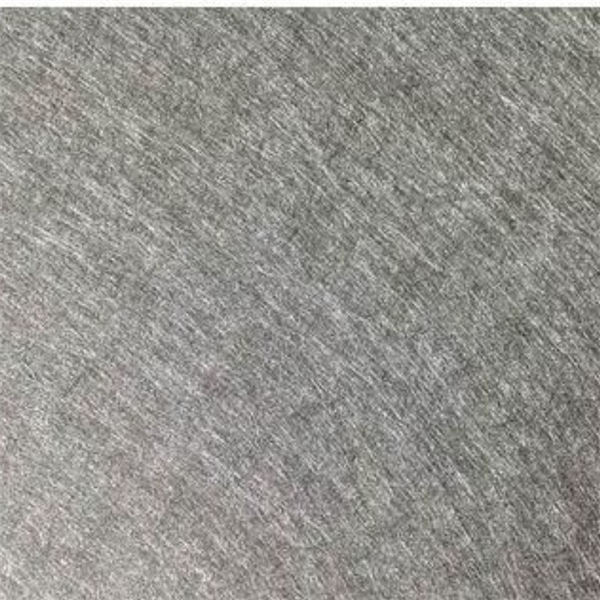
As a professional manufacturer of Metal Fiber Felt for Automotive Glass, we have years of R&D and production experience, focusing on providing high-quality products and personalized solutions for global automotive glass manufacturers. Our product advantages are as follows:
• Strict Quality Control: We adopt advanced needling/sintering equipment and standardized production processes, from raw material selection (high-quality 316L/310S stainless steel, FeCrAl fibers) to finished product inspection, every link is strictly controlled. All products pass ISO 9001, CE and SGS certifications, ensuring stable performance and consistent quality, and can meet the strict quality standards of the global automotive industry.
• Professional Customization Capability: We have a professional R&D and production team, which can customize products according to the specific needs of customers' automotive glass production lines, including material, thickness, density, size and special-shaped processing (roller covers, mold wraps). We can also provide one-stop solutions from product design to finished product delivery, solving your personalized needs and reducing procurement and processing costs.
• Targeted Product Design: Our metal fiber felt is specially developed for automotive glass production, focusing on solving the pain points of scratch prevention, high-temperature resistance and pressure resistance in the production process. It is more suitable for the working conditions of automotive glass production than ordinary metal fiber felt, and can effectively improve production efficiency and product qualification rate.
• Global Service Capacity: We have rich export experience, with products exported to Europe, America, Southeast Asia and other regions. We can provide professional English technical support and after-sales service, customize packaging and delivery solutions according to the needs of customers in different countries and regions, ensure timely delivery (delivery time within 1-4 weeks) and safe transportation, and establish long-term and stable cooperative relations with customers.
Metal Fiber Felt for Automotive Glass is an indispensable supporting material in modern automotive glass production, which directly affects the quality, efficiency and cost of automotive glass production. Whether you are engaged in the production of automotive windshields, side windows or sunroofs, we can provide you with the most suitable metal fiber felt products. Welcome to contact us for more product details, quotes and samples, and we look forward to cooperating with you to create a better future!
can not be empty
The E-mail format is not correct
can not be empty
can not be empty